The Destination Difference
What the 2026 Florida Governor’s Conference Can Teach Us About Building Strong Destination Brands
By: Jeanette Johnson, Director of Growth & Innovation
Florida tourism operates on a mind-boggling scale. The state welcomed an estimated 143.3 million visitors in 2025.
Let that sink in a moment: 143.3 million.
During a time when travelers have hundreds if not thousands of destinations, attractions and experiences competing for their time and attention, Florida still boasts year-over-year growth as a top tourism destination.
For Florida destination marketing organizations (DMOs), that creates both a tremendous opportunity and a complex challenge: How does a destination stand apart? How do you turn awareness into visitation? And how do you demonstrate the value of tourism not only to travelers, but to the communities that make those experiences possible?
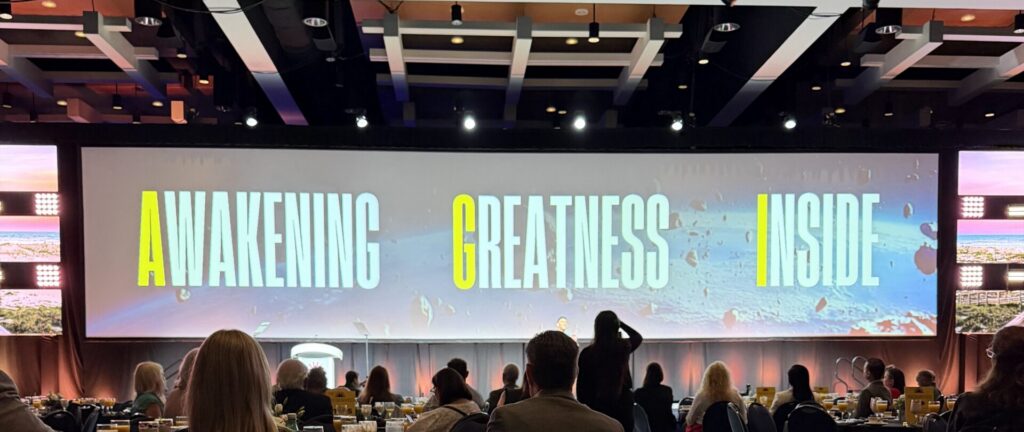
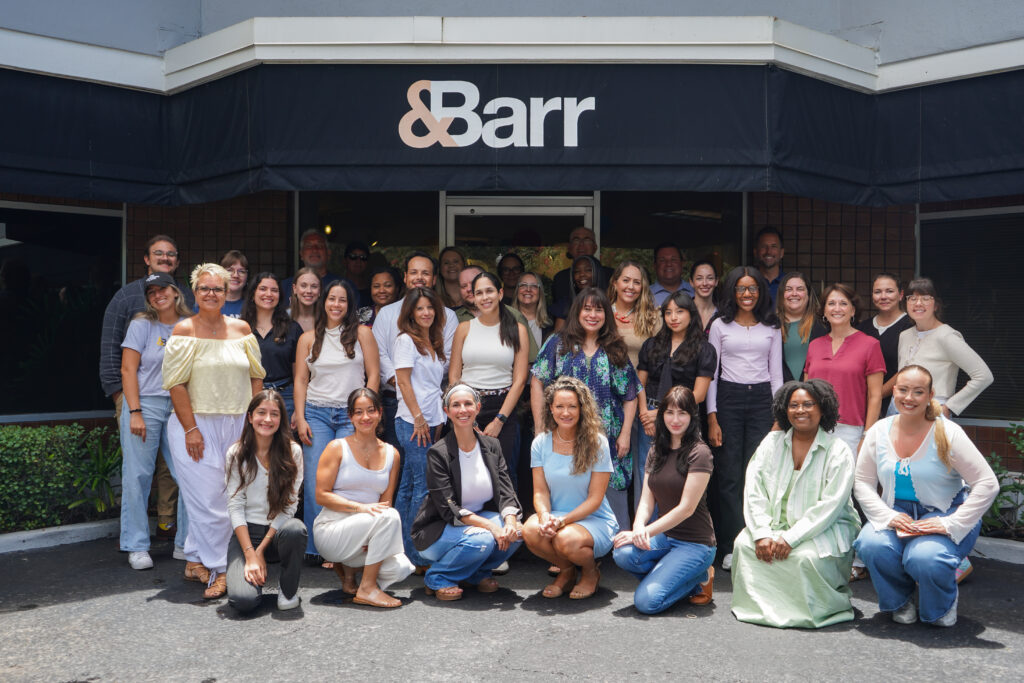
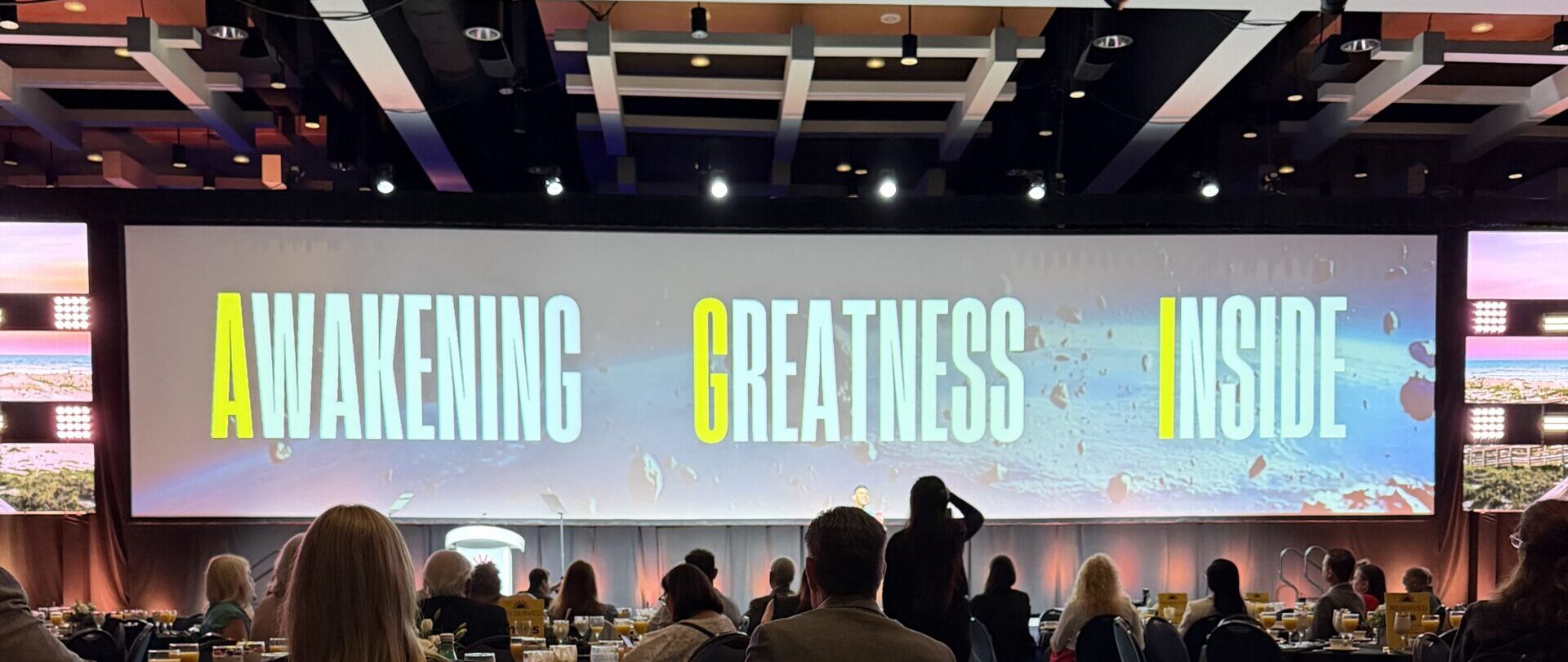
Those questions were front and center at the 2026 Florida Governor’s Conference on Tourism in West Palm Beach, where my &Barr colleagues and I joined tourism leaders from across the state to examine what’s next for Florida tourism.
&Barr’s Tourism Marketing Is Built on Experience
Now in its 70th year as an independent marketing and advertising agency, &Barr has spent decades helping Florida destinations, attractions and hospitality brands tell their stories and connect with travelers.
Tracing back to the early 1970s, &Barr is credited with naming “The Great Regions of Florida” during their partnership with Florida’s Development Commission. Today, that experience includes serving as agency of record for Florida’s Space Coast Office of Tourism, a partnership now in its sixth year. The agency’s destination work also includes Discover the Palm Beaches and an eight-year partnership with Experience Kissimmee, led today by President and CEO DT Minich, who was inducted into the Florida Tourism Hall of Fame at this year’s Governor’s Conference.
&Barr has also worked across Florida’s broader tourism and hospitality industry with brands including Rosen Hotels & Resorts, Crayola Experience Orlando, Ripley’s Believe It or Not!, and more.
The most important lesson we’ve learned? Destination marketing is unlike almost any other category of marketing.
A DMO isn’t selling a single product. Instead, it is helping travelers imagine themselves in a place made up of countless individual experiences – from hotels, restaurants and attractions to neighborhoods, natural resources and local businesses – so that they make the decision to visit.
At the same time, destination marketers must build support among residents, tourism partners and community leaders. Successfully balancing those audiences takes more than a great advertising campaign. It takes research, relationships, consistency, and a deep understanding of what makes a place worth choosing.
Three Conference Takeaways for Destination Marketers
This year’s conference reinforced and expanded on these lessons. Here are three key takeaways we took home:
- Give Travelers a Reason to Choose Your Destination
Travelers have more choices than ever. For DMOs, simply showing what a destination has isn’t enough. The opportunity lies in showing what visitors can experience.
Outdoor adventures, live music, local arts, food, history and learning opportunities can all provide reasons to visit. The strongest destination brands identify the experiences that are genuinely distinctive and connect them under a larger story travelers can understand and remember.
In a state with no shortage of compelling places to visit, a strong destination brand answers an essential question: Why here?
- Make Tourism’s Impact Visible at Home
Attracting visitors will always be central to a DMO’s mission, but another theme heard throughout the conference was the importance of demonstrating tourism’s value to the community.
Visitor counts tell only part of the story. Showing how travelers support local restaurants, attractions, hotels and small businesses makes that impact much more tangible.
For destination marketers, that means telling two interconnected stories: one that inspires travelers to visit and another that helps residents, businesses and community leaders understand why those visitors matter, building greater support for tourism at home.
- Build the Brand for the Long Term
Strong destination brands aren’t built through one campaign or viral moment. They require sustained investment in research, strategy, creative thinking and measurement.
Long-term partnerships can be especially valuable because knowledge compounds. The better an agency understands a destination—its audiences, stakeholders, history and competitive landscape—the more opportunity there is to evolve the brand rather than continually rediscover it.
At &Barr, there is no better example than the agency’s work with the Space Coast Office of Tourism. Now in our sixth year as agency of record, &Barr helped contribute to 25 straight months of record Tourist Development Tax (TDT) collections on the Space Coast, with two of those months exceeding the county’s previous all-time high.
The Opportunity for Destination Brands
The 2026 Florida Governor’s Conference on Tourism reinforced just how much opportunity exists for destinations that understand what makes them different—and tell that story well.
Done well, destination marketing does far more than generate awareness. It creates a recognizable identity, supports local businesses and economic growth, and gives travelers a reason to choose one place over countless others.
After decades of working alongside Florida’s tourism industry, &Barr has seen that impact firsthand.
Florida has no shortage of stories worth telling. &Barr is proud to help tell them.